9/16/2026
Berco Blog:
Today’s Business
A Quick End-of-Summer Update
As we head into fall, the used-car market continues to be an interesting one for both dealers and consumers. Although wholesale prices have eased somewhat from earlier in the summer, used vehicles remain expensive compared with the more normal market conditions seen before the pandemic.
According to Cox Automotive, wholesale used-vehicle values declined 0.9% from July to August, but remained slightly above their level from a year earlier. At the retail level, the average used vehicle was listed for approximately $27,239 in August, up about 7% from August 2025 and the highest monthly average since late 2022. Used inventory also tightened slightly, falling to approximately 2.13 million vehicles nationwide with a 44-day supply.
The financing environment is also worth watching. Cox Automotive reported that auto-credit availability improved again in August, reaching its strongest level in years, although borrowing costs remain relatively high. For buyers, that means approval conditions may be improving, but interest rates and monthly payments can still have a major impact on affordability.
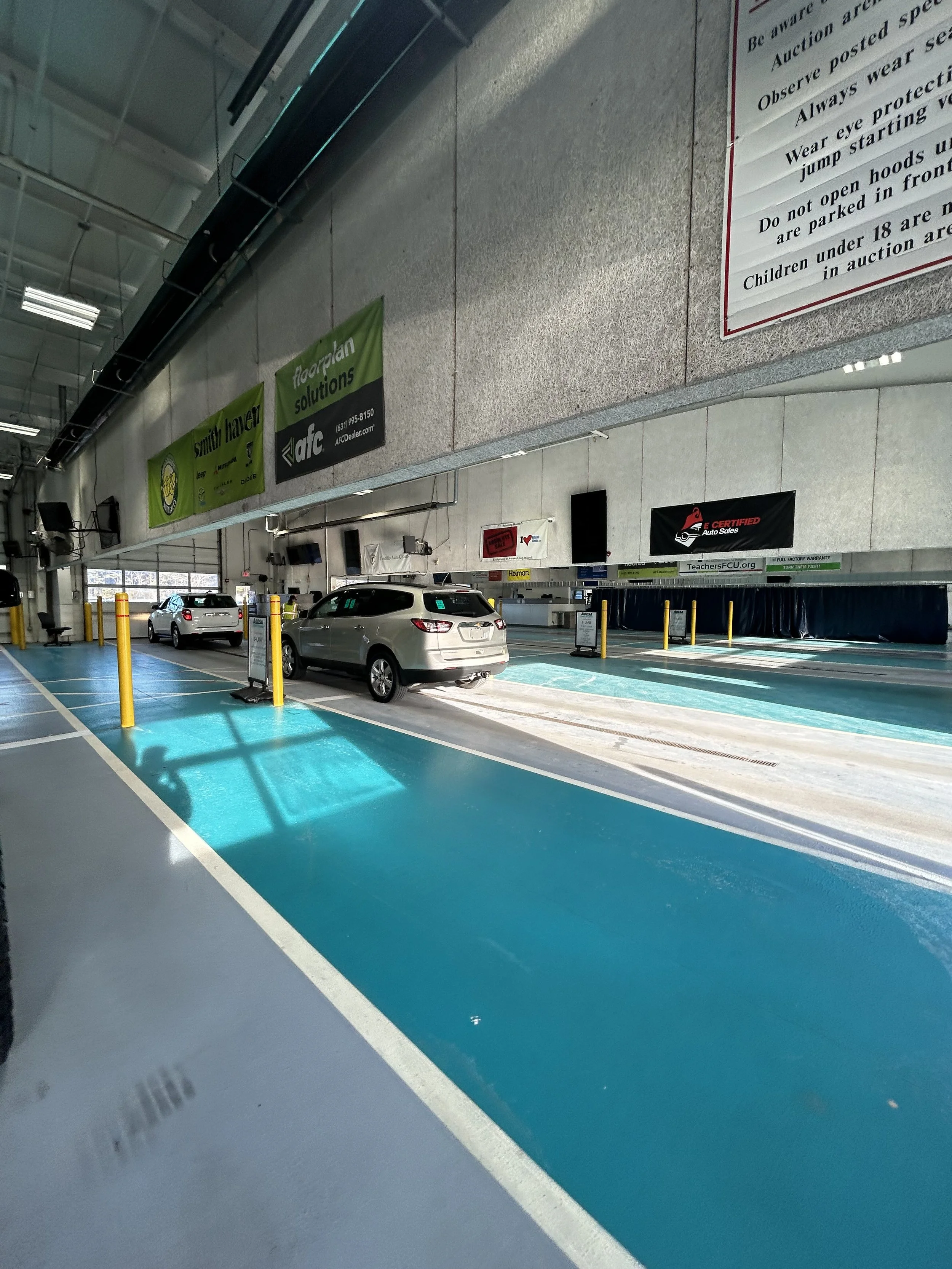
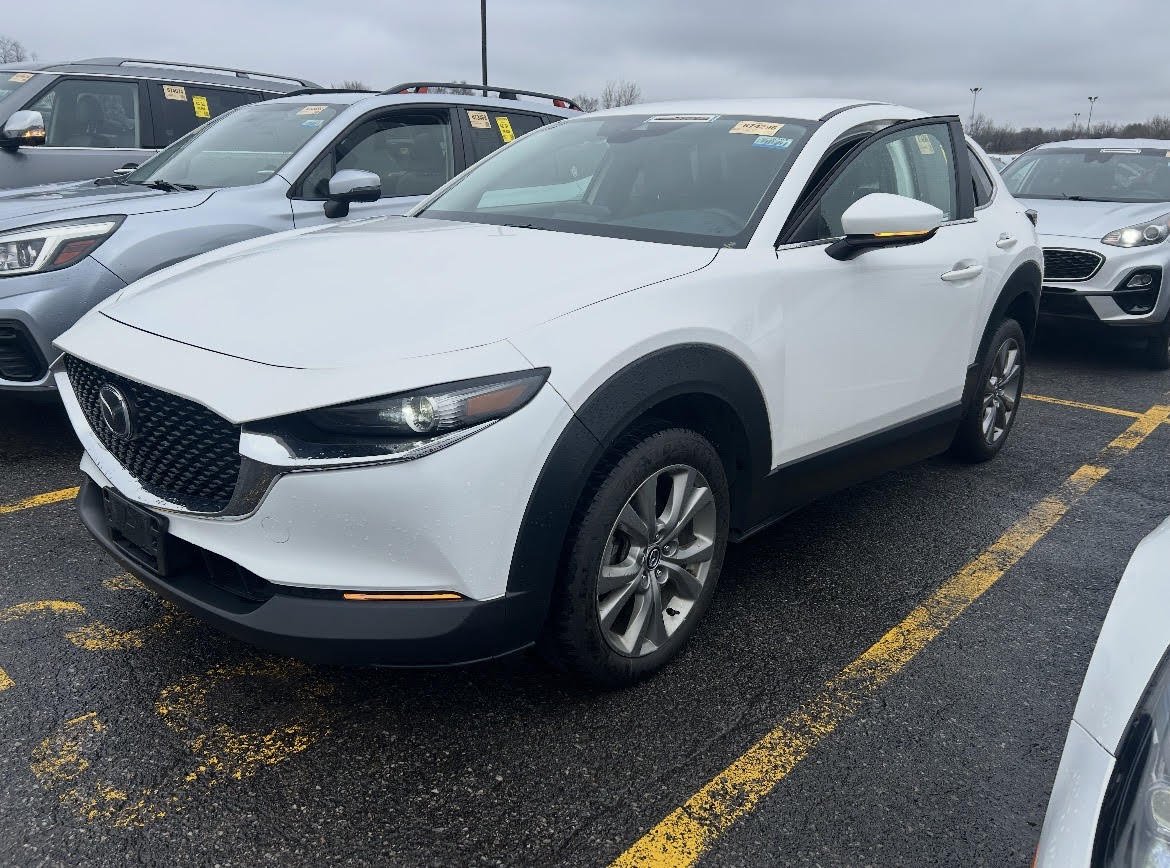
Even with these higher market prices and continued affordability challenges, our goal at Berco Automotive is to keep finding vehicles that still make sense for everyday buyers. By purchasing carefully and handling much of the reconditioning through our own repair shop, we’re able to control costs while still making sure each vehicle is properly serviced before it is offered for sale. Instead of using that advantage simply to increase our margins, we try to reflect it in what the customer ultimately pays.
The result is something we feel is becoming harder to find locally: an affordable used vehicle that has still been properly gone through and serviced before being offered for sale. Lower price does not have to mean skipping maintenance or putting a vehicle on the lot exactly as it came from auction. Our ability to handle the buying, inspecting, repairing, and selling process under one roof helps us keep prices competitive while still putting the necessary work into the vehicles we sell.